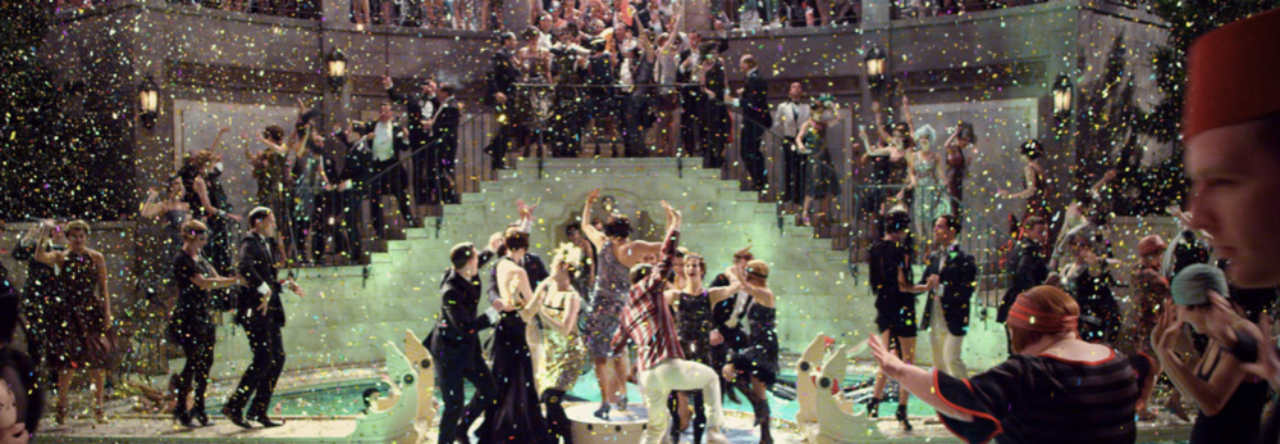
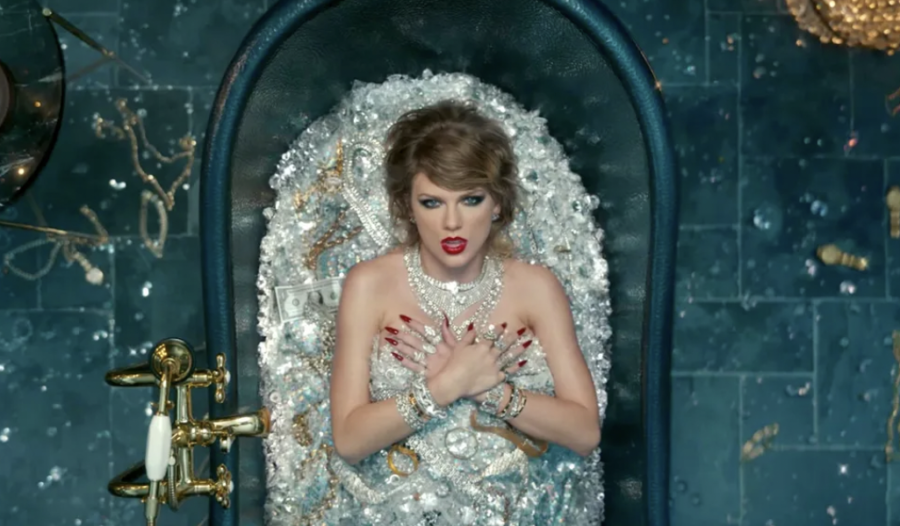
I adore Taylor Swift a lot. I’ve seen her perform four times, and I know every song’s lyrics off by heart. Why is this significant? I was able to make parallels between Taylor Swift’s music and The Great Gatsby right away thanks to my familiarity with her songs and my ability to delve deeper into their meaning. The book follows Nick Carraway’s narrative as it tackles superficiality and the romantic conflicts of the protagonists. However, Taylor’s Reputation album highlights her experience with “finding love through all the noise,” which as I’ve read the book, I believe is exactly what Jay Gatsby is tirelessly attempting to do. Romantic hardships are at the heart of Taylor’s music.
Jay Gatsby is the protagonist of the novel and is madly in love with a false perception of Daisy Buchanan. Daisy comes from a wealthy family, giving Gatsby a motivation to obtain wealth and climb the New York social ladder during the roaring 20’s- He is “trying to find love through all of the noise.” A quote from Taylor to describe he intentions for writing the Reputation album. In this blog post, I will draw parallels from the song “this is why we can’t have nice things” I wanted to do this song first, not only because it is my favorite on the album, but because it directly references Gatsby in the lyrics. The song is about how bad behavior and distrust can ruin moments of happiness “nice things”, and references the novel in the first verse.
“And there are no rules when you show up here
Bass beat rattling the chandelier
Feeling so Gatsby for that whole year”
She uses the novel to describe her in the party scene in 2014-2015, but as the song builds to the chorus it describes how drama ruined it. The lyrics go on to say, “This is why we can’t have nice things, honey (oh)
Did you think I wouldn’t hear all the things you said about me?” Similar to Taylors personal experience, Jay Gatsby realizes throughout the novel that he also cannot have “nice things”- As he begins to see his love interest, Daisy’s, true colors and his persona begins to fall apart.