
The Mandela Catalogue is a disturbingly captivating web series that delves into the depths of the uncanny and the supernatural. This series, with its eerie atmosphere and unsettling imagery, explores themes of identity, reality, and the blurred lines between the conscious and the subconscious.
The Doppelgänger Concept: A Digital Twist

One of the central themes of The Mandela Catalogue is the concept of the doppelgänger, a ghostly double or counterpart of a living person. In traditional folklore and mythology, doppelgängers are often associated with impending doom or misfortune. However, the series takes a unique approach to this concept, exploring the psychological and existential implications of encountering one’s own double.
The doppelgängers in The Mandela Catalogue are not mere reflections of the characters’ physical appearance but rather manifestations of their deepest fears and desires. These uncanny figures challenge the characters’ sense of self, forcing them to confront the darker aspects of their psyche. The series suggests that the doppelgänger is not merely a separate entity but an integral part of the individual’s identity, a hidden aspect that emerges in times of stress or crisis.
Religious Themes and Cult-Like Elements
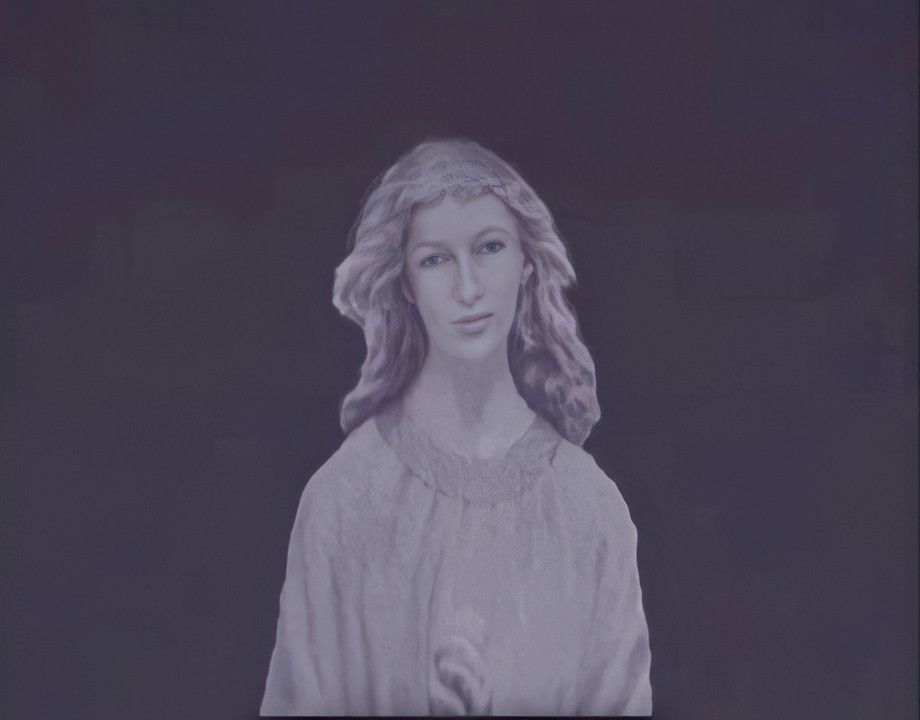
The Mandela Catalogue is replete with religious symbolism and references, particularly to Christianity. The series explores themes of sin, redemption, and divine punishment, often presenting a distorted and twisted version of religious doctrine. The cult-like elements present in the series further emphasize the theme of religious extremism and manipulation. The characters are often drawn into a dangerous and destructive cult, highlighting the dangers of blind faith and the power of charismatic leaders.
By blending elements of horror, fantasy, and religion, The Mandela Catalogue creates a disturbing and thought-provoking viewing experience. The series invites viewers to question the nature of reality, the limits of perception, and the power of belief.


Comments by The Mirror Mystic