Ghost, the enigmatic Swedish metal band, has captivated audiences worldwide with their theatrical performances, occult-inspired imagery, and distinctive sound. Beyond their mesmerizing stage presence, Ghost delves into the darker side of human nature, often exploring themes of duality, identity, and the supernatural. One such theme that resonates throughout their music and visual aesthetic is the concept of the doppelgänger.
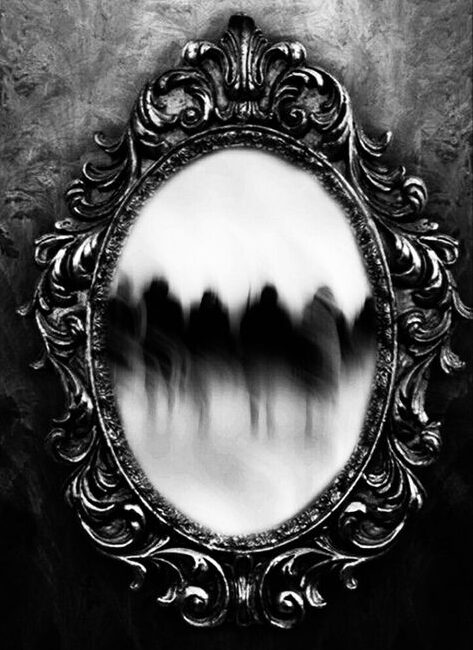
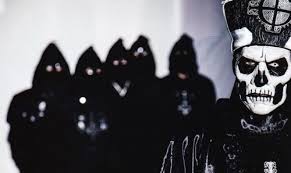
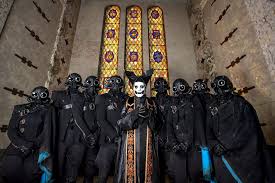
A doppelgänger, a spectral double, is a recurring motif in folklore and literature. It often represents a dark reflection of the self, a manifestation of one’s deepest fears and desires. In the context of Ghost, the doppelgänger can be seen as a metaphor for the band’s enigmatic persona. The band members, known as Nameless Ghouls, conceal their identities behind masks, creating a sense of mystery and intrigue. This masks their true selves, much like a doppelgänger hides beneath the surface.
Moreover, the concept of the doppelgänger can be applied to the band’s music itself. Ghost’s music often presents a duality, a juxtaposition of light and dark, sacred and profane. The band’s anthemic choruses and catchy melodies are juxtaposed with dark, heavy riffs and disturbing lyrics. This duality creates a sense of tension and unease, mirroring the internal conflict that often characterizes the doppelgänger experience.
In conclusion, Ghost’s music and visual aesthetic are deeply intertwined with the concept of the doppelgänger. By exploring themes of duality, identity, and the supernatural, the band taps into the collective unconscious and creates a truly haunting and unforgettable experience.

Comments by The Mirror Mystic